

Many Enterprises Seek Cost-Effective, Flexible Options for 2026
Looking Beyond Unified
Enterprises are re-evaluating their Microsoft Unified Support renewals as costs climb and service value declines. Whether you’re managing a global Azure footprint, Microsoft 365, or hybrid infrastructure, there are credible alternatives to Microsoft Unified Support that can reduce costs, improve responsiveness, and restore control.
Three readily available options to replace Microsoft’s Unified support include: Third-Party Microsoft support providers, MSP/CSP, and internal IT support. Each has its own pros and cons. IT procurement should consult independent analyst guidance from Gartner in addition to their own risk analysis.
Best for Enterprises Seeking Cost Control
Third-Party Microsoft Support
Independent providers specialize exclusively in Microsoft enterprise support, often staffed by former Microsoft engineers.
Pros
-
40–65% cost savings vs. Unified Support
-
U.S.-based or regional experts with direct Microsoft background
-
Faster response and resolution times
-
Transparent SLAs and billing
Cons
-
Limited Microsoft “backchannel” escalation (though often mitigated through existing customer Microsoft relationships)
-
Vendor vetting required for compliance (ISO, GDPR, SOC 2, etc.)
Best for:
Enterprises seeking cost control, high-touch support, and Microsoft-certified engineers without paying Unified prices.
🟢 Example: A Fortune 100 healthcare provider reduced annual Microsoft support costs from $5.3M to $2.6M after migrating to a third-party provider — maintaining SLA parity.

Best for Smaller Organizations with Broader Support Requirements
MSP and CSP
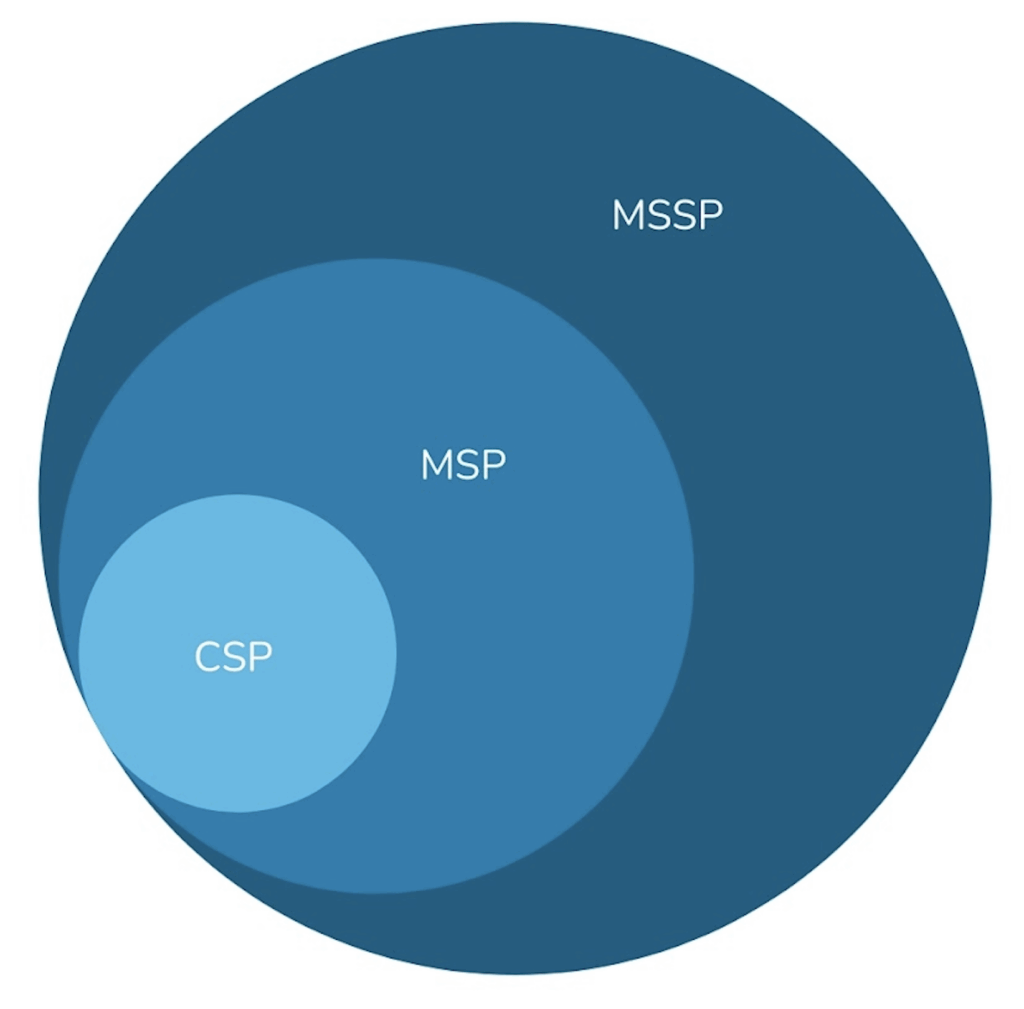
Many Managed Service Providers (MSP) and Cloud Solution Providers (CSP) bundle Microsoft support within broader managed services contracts.
Pros
-
One vendor for both infrastructure management and Microsoft escalation
-
Can integrate support into existing contracts (Azure, M365, licensing)
-
Optional proactive monitoring and patching
Cons
-
Support coverage may be limited to managed workloads
-
Escalations often route through Microsoft Unified anyway
-
Costs can equal or exceed Unified Support for large enterprises
Best for:
Organizations with outsourced operations or smaller internal IT teams that prefer a single partner for both management and escalation.
💬 IT Manager testimonial:
“Our CSP handles day-to-day issues, but for deep Microsoft cases, we needed dedicated escalation support outside their scope.”
Best for Large Enterprises with Predictable Workloads
Internal IT Support
Some organizations are building internal Microsoft centers of excellence or shared services teams to replace external support altogether.
Pros
-
Full control over priorities, staffing, and workflows
-
Builds internal expertise and reduces vendor dependency
-
Ideal for large enterprises with established ITSM processes
Cons
-
Requires significant investment in staff training and tooling
-
Limited 24×7 coverage without large global teams
-
Harder to match Microsoft’s Tier 3 depth and speed
Best for:
Large enterprises with mature IT operations and predictable workloads that can justify a dedicated support staff.
💬 IT Procurement insight:
“The Unified pricing model penalizes growth. Every Azure dollar adds to your support bill — even if ticket volume stays flat.”